Peyton McDermott
20 October 2026
What’s so enticing about the spectacle of Halloween, after all? Essentially synonymous with horror movies, spooky costumes, and mischief, the holiday is—seemingly above all else—centered around folklore to do with fear. Etymologically, Halloween was sourced from the Christian-influenced All Hallow’s Eve (with All-hallowe’en, Hallowe’en, and alas Halloween to follow), though the tradition which celebrates the macabre festivities related to Halloween itself is traced back to the ancient Celtic pagan tradition of Samhain. During Samhain (dated the same evening of October 31st), a “liminal festival,” representing the passage between our mortal world and the Otherworldly understood by Celtic mythology, occurred as an autumnal harvest with offerings, bonfires, mumming, and guising to appease supernatural activity.
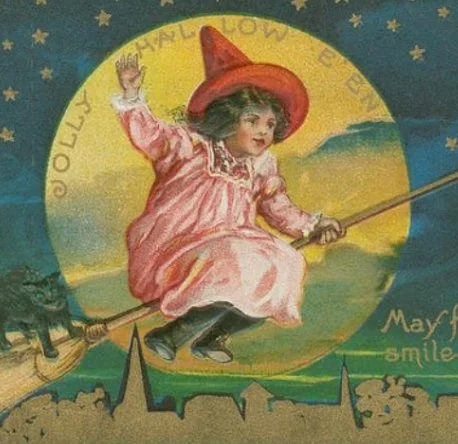
Directly indebted to the Samhain customs, our modern Halloween derives from the eerie occasions of preceding tradition. On the day of October 31st, individuals carry on mumming with costumes of the supernatural beings themselves, guising through trick-or-treating within their communities, and the festivities as a whole by parties—or gatherings. While plenty of the associated festivities have faded over time, with the initial observance of a “liminal festival” having nearly completely blurred into obscurity in favor of the entirely mortal and social aspects of the holiday, many have surfaced all the same. In place of the faithful belief in spirits, witchcraft, and the threshold between life and death, the superficial incitement of fear has superseded it: per the emergence of urban legends, eerie home decorations, Halloween-evening pranks, as well as, primarily, horror films and media.
The horror genre lends itself to the folklore of fear, often centering around the supernatural beings as seen through mythology of the past: vampyres, werewolves, spirits, witches, haunted spaces, et cetera. The question, it seems to be, is why are these subjects so highly, and for so long, regarded? Simply, the fantastical is exhilarating, just as contained fear is. While watching a horror film or reading a novel of the same genre, we are simultaneously frightened as well as—at least unconsciously—aware that this fearfulness is irrational. Fear, in this sense, is appealing because it is controlled and allows the viewer to effectively confront that which may truly scare them.
The initial spiritual tradition arose as a form of warding off the fearsome unknown about the interaction between the living and the dead: our modern folklore of supernatural creatures and monsters derived from their beliefs, and alas aroused the entertainment of feeding into the fear behind them: horror. Halloween, while centered around these foremost customs, has become—in popular culture—something more of a social celebration surrounding the phenomenon of spooky favorites such as costumes, horror movies, tricks, and treats.
